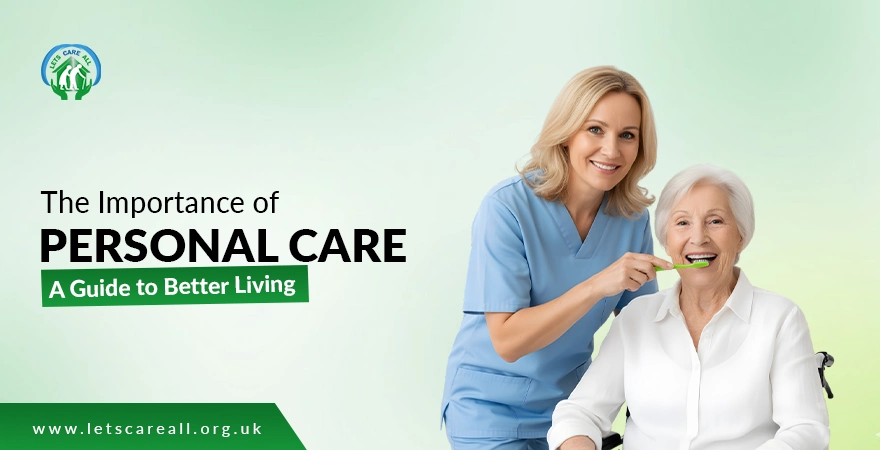
Between work and life, we’re all handling a lot. When our to-do list is demanding, taking care of ourselves often becomes the last thing we focus on. Working for days, weeks, or even months without taking time to check in with yourself can lead to burnout. If you’re not taking care of yourself physically and emotionally, everything around you can suffer. That’s why personal care is just as important as eating healthy and exercising regularly. Personal care is a fundamental aspect of overall well-being that involves a range of activities aimed at maintaining hygiene, physical health, and mental stability. It is not merely about looking good but also about feeling good, both inside and out.
In this blog, we will explore various reasons why the importance of personal care cannot be overstated and how it impacts various aspects of life.
What Does Personal Care Involve?
Personal care is tailored to the needs of the individual you are caring for. At the start of a new care arrangement, the individual and others involved, like social workers, doctors, or family members, are consulted to create a personalised care plan. This plan outlines their needs and the carer’s responsibilities.
Personal care may include:
- Assistance with getting up and going to bed.
- Support with washing, oral care, bathing and dressing.
- Haircare and shaving.
- Skincare and care of toenails/fingernails.
- Assisting with visits to the toilet or changing incontinence aids.
- Help with housework, including washing up, cleaning and laundry.
- Cooking meals and helping with feeding if necessary.
- Prompting and administering medication.
1. Enhances Physical Health
Personal care routines such as regular bathing, brushing teeth, and grooming play a pivotal role in maintaining physical health. Good hygiene practices help prevent infections, skin problems, and other health issues. For example:
- Dental Hygiene: Brushing and flossing daily prevent cavities, gum disease, and bad breath.
- Skincare: Proper cleansing and moisturising reduce the risk of acne, dryness, and other skin conditions.
- Hair Care: Regular washing and trimming promote healthy hair and prevent scalp issues.
- Nail Care: Keeping nails clean and trimmed prevents fungal infections and maintains overall hygiene.
By adhering to these practices, you not only stay safe from illnesses but also strengthen your body’s natural defenses. This highlights the importance of personal care in daily life.
2. Boosts Mental Health
Personal care has a profound impact on mental health. Engaging in self-care routines can:
- Reduce Stress: Taking time for yourself, whether through a skincare routine or a relaxing bath, helps alleviate stress.
- Improve Self-Esteem: Looking and feeling presentable can significantly enhance your confidence.
- Encourage Mindfulness: Personal care routines often require focus and attention, promoting a sense of mindfulness and presence.
- Alleviate Anxiety: A well-maintained routine can provide a sense of control, which can help reduce feelings of anxiety.
Feeling good about your appearance can translate to a positive outlook on life and improved mental well-being, emphasising the importance of personal care.
3. Improves Social Interactions
Personal care plays a crucial role in how others perceive us. Cleanliness, a fresh appearance, and good grooming habits can:
- Create Positive Impressions: People are naturally drawn to individuals who appear well maintained.
- Build Confidence in Social Settings: Knowing that you look your best can make interactions more comfortable and enjoyable.
- Encourage Respect: Demonstrating personal care shows respect for others and their space, enhancing relationships.
In professional settings, personal care is often seen as a reflection of reliability and attention to detail, reinforcing the importance of personal care.
Consistent personal care routines can contribute to long term health benefits. For example:
- Preventative Care: Regular hygiene practices can prevent chronic conditions, such as infections or dental diseases.
- Healthy Aging: Proper skincare, hydration, and grooming can slow the signs of aging and keep the body’s systems functioning optimally.
- Reduced Risk of Diseases: Good personal hygiene helps prevent illnesses like the flu, food poisoning, and other contagious diseases.
These habits establish the way for a healthier and more active lifestyle as you age.
5. Supports Emotional Well Being
Taking time for personal care is a form of self-love. It sends a powerful message to yourself that you are worth the effort and attention. This can:
- Enhance Mood: Engaging in activities that make you feel pampered, such as applying a face mask or styling your hair, can boost your mood.
- Cultivate Resilience: When you look and feel good, you are better equipped to handle life’s challenges.
- Build Routine: A structured personal care routine provides a sense of stability and normalcy, especially during stressful times.
How to Incorporate Personal Care into Your Routine?
- Set a Schedule: Consistency is key. Create a daily, weekly, or monthly schedule for different aspects of personal care. Break it down into manageable tasks, such as setting specific times for skincare, hair care, or exercise. Start your day with cleansing and moisturizing your face, and save the evenings for relaxing baths or nourishing hair treatments.
- Invest in Quality Products: Use products suited to your skin and hair type to maximize benefits. Consult professionals or do your research to find items that meet your specific needs. High quality products can make routines more effective and enjoyable.
- Make It Enjoyable: Turn personal care into a ritual. Play some music, light candles, or use aromatherapy to create a relaxing atmosphere. Add little touches like scented lotions or warm towels to turn your routine into a more enjoyable and luxurious experience.
- Stay Informed: Educate yourself about the best practices and products for your unique needs. Follow trusted sources, consult experts, or take advantage of online tutorials to refine your personal care techniques.
- Incorporate Fitness and Nutrition: Taking care of yourself isn’t just about grooming. Stay active regularly to feel energetic and healthy. Combine this with a nutritious diet to keep your skin glowing, hair strong, and body full of energy.
- Don’t Neglect Rest: Make sure to get enough sleep, as rest is essential for both your body and mind to stay healthy. Create a bedtime routine that promotes relaxation, such as using calming essential oils or reading a book before sleep.
- Customize for Your Lifestyle: Adapt your personal care routine to fit your schedule and preferences. Whether you’re a morning person or prefer nighttime rituals, choose times and activities that feel sustainable and enjoyable for you.
By following these steps, you can make personal care a rewarding and meaningful part of your daily routine.
Conclusion
The importance of personal care isn’t just about how you look; it’s about taking care of your body, mind, and soul. When you spend time on personal care, you’re choosing to live a healthier, happier, and more confident life. Remember, time spent on yourself is never wasted. Every small effort you make adds up to a stronger and happier you. Starting today you deserve it!