
A call can make a DIFFERENCE
Home » 10 Signs You Are Overwhelmed as a Carer Right Now
Getting to Know Us!
Company Information and Customer Policies
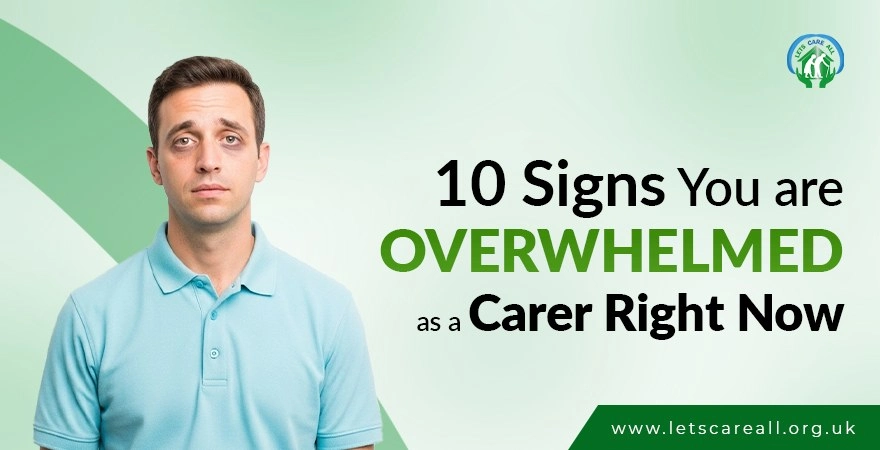
Caring for someone is a rewarding responsibility, but it also comes with emotional, physical, and mental challenges that can take a toll over time. Many carers push through stress without realising they are close to burnout. Recognising the early signals is crucial for protecting your own wellbeing and delivering the best care possible.
In this article, you will discover the top 10 signs you are overwhelmed as a carer, why they matter, and how to address them before they escalate.
Carer burnout is when looking after someone becomes too tiring for your body, mind, and emotions. It happens when the constant demands of caring for a loved one start to feel overwhelming, and you forget to take care of yourself. You may feel very tired, sad, frustrated, or stressed, and even small tasks can seem too hard.
Burnout is common, and while it is a normal part of being a carer, it is important to notice it early. If ignored, it can affect your health, mood, and the way you care for others, so getting support and taking breaks is very important.
Caring for someone you love can feel good, but it can also be very hard. When you have too many tasks to handle, you may start to feel tired, upset, or emotionally worn out. Let’s look at the common signs. If you notice these signs early, you can take steps to control stress before it turns into burnout.
Feeling tired all the time, even after resting, shows that your body is under too much stress and is a clear sign of carer strain. Many carers skip breaks, sleep poorly, and stay alert all the time, which slowly drains their energy. As a result, this ongoing tiredness can make you more irritable, weaken your immune system, and affect your ability to make good decisions. Both you and the person you care for may end up feeling more stressed and vulnerable.
If you notice that you cry easily, get angry quickly, or feel upset over small things, it may be a sign that your emotions are overloaded. Caring for someone puts a lot of emotional pressure on you, and as stress builds up, it becomes harder to control your feelings. This stress often causes emotional outbursts, which are usually one of the first signs that a carer is feeling overwhelmed.
Have you noticed that the things you once loved no longer excite you? This is a common sign that caregiving stress is taking over your personal life. Usually, hobbies and fun activities bring joy, but when caregiving becomes too demanding, you may stop enjoying them. You might cancel plans, avoid social outings, or feel too tired to spend time on yourself. This loss of interest is a common sign of carer fatigue and can affect your identity and happiness, making life feel dull and unbalanced. Moreover, you may start feeling disconnected from who you used to be, which increases emotional pressure. Your motivation decreases, and even simple enjoyable tasks begin to feel like extra work.
This is a clear sign that your mental load as a carer may be too heavy. When stress levels rise, your mind starts to feel foggy, making it hard to focus or remember things. You may take too long to make simple decisions, or you might forget important steps in your daily routine. As a result, caregiving becomes even more stressful, and small mistakes can start to happen without you noticing. You may feel embarrassed or frustrated with yourself, which adds even more emotional pressure. This mental overload can reduce your
confidence and make even easy tasks feel overwhelming.
Have you been putting your own health aside while trying to care for someone else? This happens to many carers who prioritise others so much that they forget their own needs. You might skip meals, avoid going to the doctor, or ignore symptoms because you feel there’s no time for yourself. If you ignore your own health, it is a big sign of carer burnout. When your body feels tired or sick, you lose your patience and energy very quickly. This makes your stress even worse. After some time, you may not be able to take good care of the person who depends on you. That is why your own health should always come first
Sometimes you feel annoyed, upset, or even angry about your role as a carer. These feelings can trigger guilt, but they are normal when pressure builds. Don’t beat yourself up for feeling upset; it signals that you need rest or support. Over time, these emotions can quietly accumulate and weigh on your mind. If this continues, it can gradually affect your relationship with the person you care for. That’s why it’s important to take breaks and actively pay attention to your feelings
You may stop talking to friends, avoid family gatherings, or feel like no one understands your situation. Caring responsibilities can make you feel cut off from the world. The loneliness can increase your stress, making you feel even more overwhelmed and emotionally low.
Additionally, you might feel too tired to reach out or worry that others won’t relate to your struggles. This isolation can affect your confidence and emotional well-being, making the caregiving journey feel even harder.
If you constantly worry that something might go wrong or feel nervous throughout the day, it could be anxiety caused by overwhelming stress. Carers often feel responsible for everything, which keeps them in a state of alertness. Because of this, your mind rarely relaxes, leading to mental and physical tension. In addition, you may notice your heart racing, trouble sleeping, or feeling shaky without any clear reason. This constant worry can drain your energy and make simple tasks feel harder than they really are.
Do you feel like your daily tasks are getting harder to manage lately? When caregiving takes most of your time and energy, everyday jobs like cooking, cleaning, or handling paperwork start piling up. You may feel as if nothing is under control anymore. This clutter and pressure make you feel even more stressed and unable to cope smoothly. Furthermore, the growing list of tasks can make you feel overwhelmed before the day even begins. Slowly, this can lead to frustration and the belief that you are falling behind in every area of life.
One of the most serious signs is when you start feeling hopeless or believe you cannot handle things anymore. This emotional weight usually comes from carrying too many responsibilities without enough support. When this happens, it’s important to seek help because your mental well-being matters just as much as the person you care for. In many cases, this hopeless feeling builds up slowly, making you feel trapped or alone in your situation. If left unaddressed, it can lead to burnout, which is why reaching out for support is essential.
Being a carer is one of the most selfless and meaningful roles, but it can also become overwhelming without the right support. Seeing the signs you are overwhelmed as a carer helps you get help on time. Always remember, taking care of yourself is not selfish; it actually helps you care better for others.
If you feel you need guidance, emotional support, or practical help, Let’s Care All is here for you. They provide carers with the tools, resources, and caring community needed to manage stress and feel stronger in their role. Whether you need advice, training, or a supportive hand to lean on, Let’s Care All makes sure no carer has to face challenges alone.