
A call can make a DIFFERENCE
Home » Is Type 2 Diabetes a Disability in the UK?
Getting to Know Us!
Company Information and Customer Policies
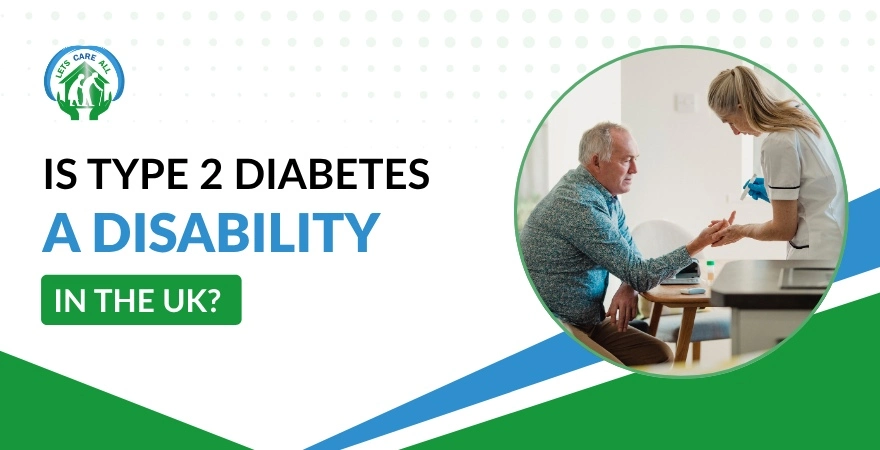
Have you ever wondered if Type 2 diabetes counts as a disability in the UK? Millions live with this condition, but many do not realise their rights. Learning the legal perspective and practical steps can make daily life easier and safer. Moreover, knowing your rights helps you access support at work, school, and in public services. When you act on this knowledge, you protect your well-being and gain confidence in everyday life.
In this article, you will explore is Type 2 diabetes a disability in the UK. You will discover key facts, workplace rights, and practical steps to make life with Type 2 diabetes easier and safer.
Type 2 diabetes affects how your body controls blood sugar. Your body either makes too little insulin or cannot use it properly. High blood sugar can damage your organs, nerves, and blood vessels. Type 1 diabetes works differently because your body cannot make insulin at all, usually starting in childhood. Type 2 diabetes develops slowly and often results from lifestyle choices or genetic factors. It can drain your energy, lower your focus, and make daily tasks harder, so you must manage it every day.
Many people ask, is type 2 diabetes a disability in the UK? It can count as a disability if it limits your daily life. Diabetes may affect your mobility, work, or self-care, and it can impact your mental health. Even if your symptoms vary daily, you still qualify for legal protection and support.
People with Type 2 diabetes get clear protection under the Equality Act 2010. Employers, schools, and public services must treat you fairly. You can ask for reasonable adjustments, such as flexible breaks, work-from-home options, or modified tasks. These rules cover long-term conditions that affect daily life and ensure you don’t face unfair treatment because of your health.
Check your blood sugar every day and take your medicine or insulin on time. Controlling your health lowers risks and makes life better. Go to regular check-ups, eat healthy food, and exercise to stay well. Managing diabetes helps you stay independent and do your best at work. Following your care plan each day keeps life simple and builds your confidence.
Many people with Type 2 diabetes can get help to make life easier. You may qualify for free prescriptions, Personal Independence Payment (PIP), and other benefits. Ask, can I get PIP for Type 2 diabetes? to check if you are eligible. These supports make daily life simpler and reduce stress. Using available help keeps you independent and helps manage your health.
Type 2 diabetes can get worse over time. Problems like vision loss or nerve damage may appear slowly. Your energy, focus, and daily routines can change as it progresses. You might wonder, how hard is it to live with Type 2 diabetes? Early support makes it easier to manage. The law counts progressive conditions when deciding on disability. Acting early helps you get support and live a better life.
Each person gets their own assessment. Not everyone with Type 2 diabetes counts as disabled. The assessment checks how serious your condition is and how it affects daily life. Your work, movement, and ability to care for yourself matter. Sharing medical papers and advice from professionals makes your case stronger. As a result, act early to get support and protect your rights.
Employees with Type 2 diabetes have clear rights at work. They can request adjustments such as flexible hours or rest breaks. Employers must accommodate health needs without discrimination. You can also ask for changes to tasks or workloads to make work easier. Using the Type 2 diabetes at work law UK helps you work safely and stay productive.
Type 2 diabetes often counts as an invisible disability. Even if you seem fine, your body works hard every day. Others may not see your struggles, but they still affect your daily life. Feeling tired, needing the toilet often, or taking medicine can get in the way of work or study. Raising awareness and explaining your needs helps people understand and support you.
Managing Type 2 diabetes can feel challenging, but small actions make a big difference. You can take simple steps to manage your condition and protect your rights.
These steps keep you healthier, more confident, and empowered to manage daily life.
Living withType 2 diabetes can count as a disability in the UK under certain conditions. Knowing your legal rights and the answer to is type 2 diabetes a disability in the UK? helps protect you daily. Managing your health actively improves your quality of life and independence. Take charge, stay informed, and use support to live fully despite the challenges of diabetes.