
A call can make a DIFFERENCE
Home » Importance of Emotional Bonding with Carers for Better Care
Getting to Know Us!
Company Information and Customer Policies
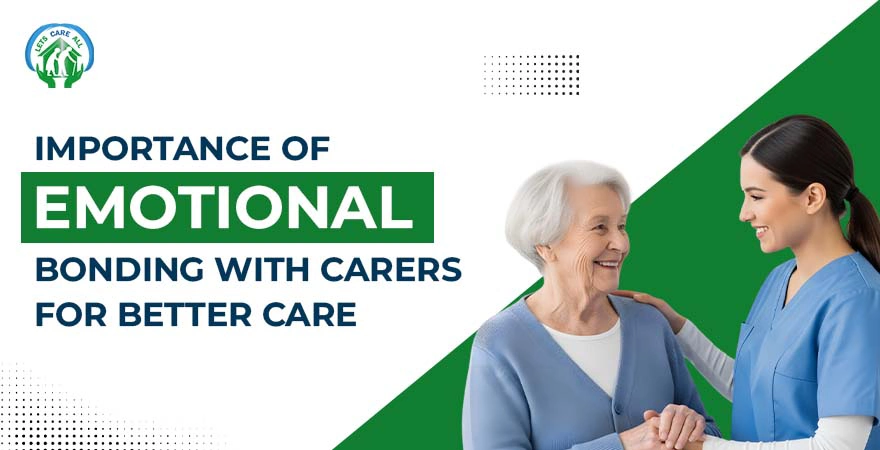
Have you ever wondered why some care feels warm and comforting, while other care seems distant and mechanical? The difference often comes from the emotional connection between the carer and the person receiving care. Emotional bonding is not just a feel-good factor. It directly affects the quality, effectiveness, and overall experience of care. When carers show trust, empathy, and understanding, they create a nurturing environment where both carers and care recipients thrive.
In this article, you will learn the importance of emotional bonding with carers. You will discover why it matters for better care outcomes and explore simple ways to build stronger connections that make caregiving more compassionate and meaningful.
Emotional bonding is the invisible thread that connects carers and the people they support. It goes beyond tasks or routines. True bonding happens when trust, empathy, and respect are present. Focusing on bonding and attachment with caregivers helps carers respond to emotions, needs, and personal preferences. This turns care from a duty into a meaningful connection.
This bond creates safety and comfort. It encourages open communication so that care recipients can share fears, concerns, or small joys freely. For carers, it builds understanding and makes their role more rewarding. In short, emotional bonding forms the foundation for personal, compassionate, and supportive care.
Emotional bonding builds trust and security. It helps care recipients feel safe and supported every day. When trust grows, anxiety decreases, and mental well-being improves naturally. Feeling understood encourages openness. It allows care recipients to share needs, concerns, and preferences freely.
Strong emotional connections also make daily routines easier. Care recipients cooperate more, engage in activities with confidence, and respond positively to guidance. This bond turns care from a list of tasks into an experience that promotes comfort, dignity, and overall happiness.
Emotional bonding increases job satisfaction and keeps motivation high. When carers connect genuinely with those they support, their work feels meaningful, not routine. Strong connections explain why is it important for caregivers to provide support. They reduce stress, lower the risk of burnout, and help carers stay energized and focused throughout the day.
Knowing care recipients’ needs allows carers to respond quickly and effectively. Strong bonds encourage empathy and patience. This makes caregiving smoother, more rewarding, and emotionally fulfilling. Ultimately, carers thrive when relationships grow, creating a positive cycle of care and well-being.
● For Overall Care Outcomes
Strong emotional connections lead to better recovery and overall well-being. Care recipients respond more positively to treatments and daily routines when trust and understanding are present. Understanding why is emotional support important in healthcare helps highlight how this bond reduces behavioural challenges and resistance to care, making interactions smoother and more cooperative.
Moreover, emotional bonding creates a positive caregiving environment. Homes, facilities, and care spaces feel warmer, calmer, and more supportive, benefiting everyone involved. When carers and recipients connect on a deeper level, care transforms into a harmonious experience that fosters health, comfort, and happiness.
Understanding how to emotionally support caregivers is also important. Providing encouragement, recognition, and a safe space for carers to express themselves strengthens emotional connections. These practices improve the overall caregiving experience for everyone involved.
Building strong emotional connections transforms caregiving into a significant experience. When carers and care recipients share trust, empathy, and understanding, mental well-being improves, cooperation increases, and overall care outcomes become more positive. The importance of emotional bonding with carers cannot be overlooked, as it benefits both those receiving care and those providing it. Prioritising these connections ensures a supportive, compassionate, and fulfilling environment for everyone involved.